
OLC40P: Ontario Secondary School Literacy Course
Using the following graphic organizer is a great strategy to help you organize all the information and ideas in order to write a well-developed and clear series of paragraphs expressing an opinion.
 Check it out!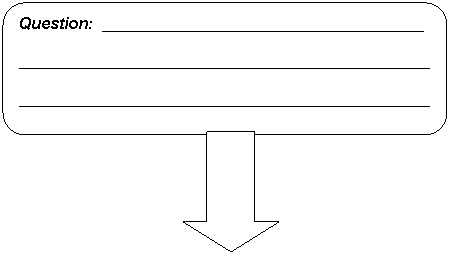
Take a side on the issue and write a statement with “yes” if you agree or “no” if you disagree.
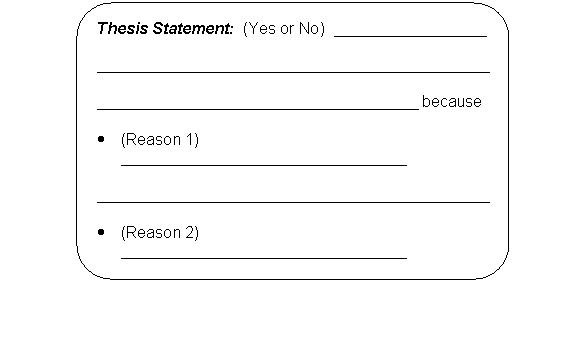

Go to Paragraph 2
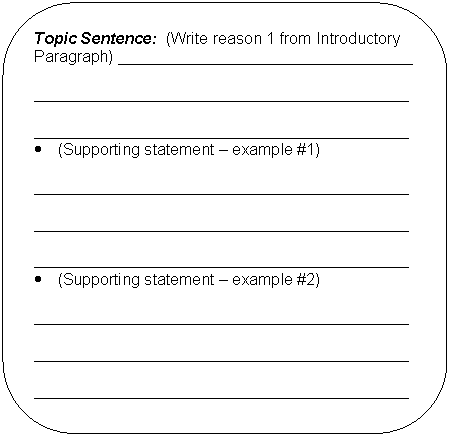
Go to Paragraph 3
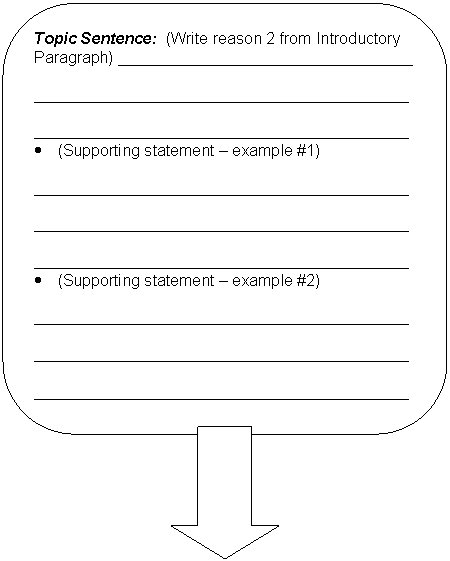
Go to Concluding Paragraph
Check connection
to Introduction
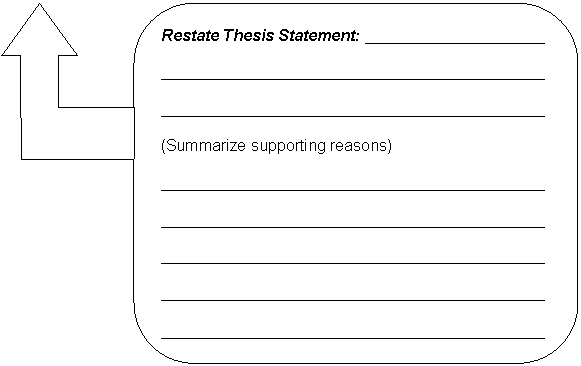
Adapted from Think Literacy: Subject Specific Examples English, Grades 10-12, p. 44.
Using a graphic organizer
Check out the following example to see how the graphic organizer is used.
Step 1: Introductory Paragraph
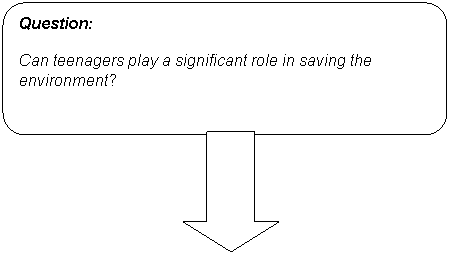
Take a side on the issue and write a statement with “yes” if you agree or “no” if you disagree.
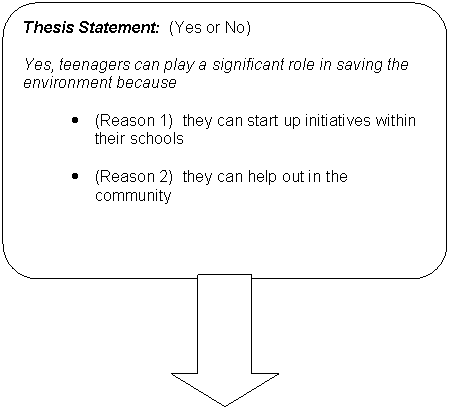
Step 2: Paragraph Two
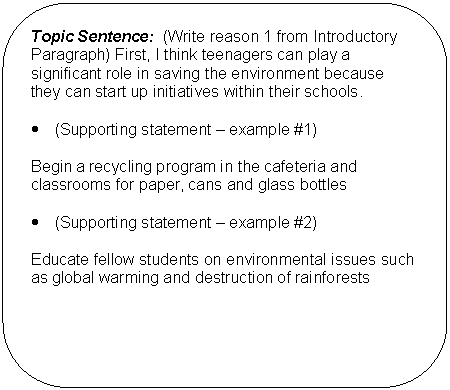
Step 3: Paragraph Three
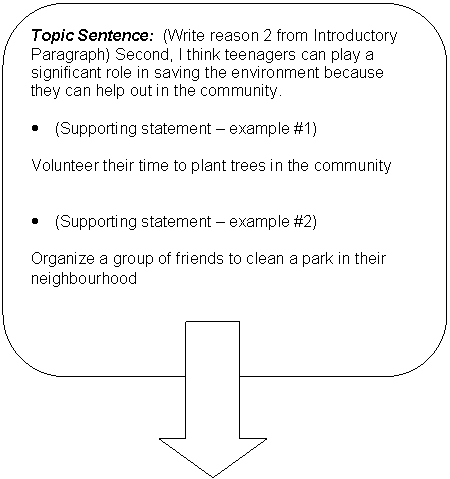
Step 4: Concluding Paragraph
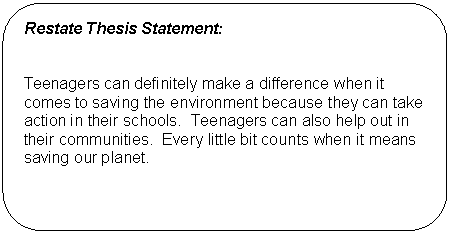
 If you think you’re ready to organize your own ideas, move on to the assignment. If not, review the graphic organizer as many times as you need to before moving on.
This is a disclaimer. Not responsible for external content.